
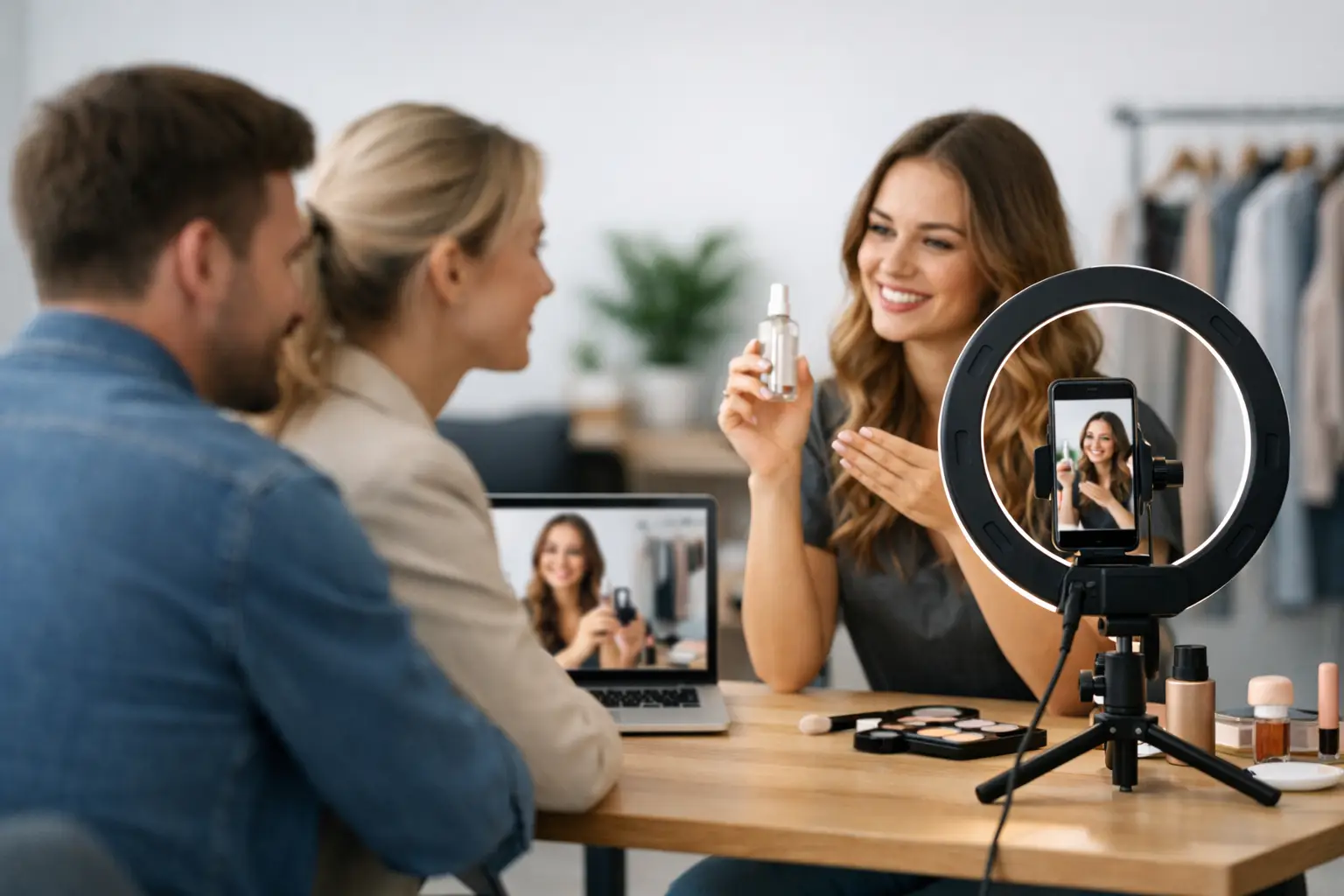
A local skincare brand sends £2,000 of product to big-name creators, gets a few polished posts, and sees no lift in sales. A smaller competitor works with five niche creators, tracks redemptions properly, and sells out a launch in a week. That is usually the difference between guesswork and the best influencer marketing strategies for small businesses with examples that are built for commercial return.
Small businesses do not have the luxury of wasting spend on vanity metrics. They need campaigns that reach the right audience, create credible content, and move people towards purchase. The good news is that influencer marketing can work exceptionally well for smaller brands, but only when the strategy matches the budget, category and stage of growth.
What small businesses get wrong first
The most common mistake is chasing follower count. Reach matters, but relevance matters more. A creator with 12,000 highly engaged followers in your niche will often outperform someone with 250,000 broad, passive followers who has no real connection to your category.
The second mistake is treating influencer marketing as a one-off transaction. If the only plan is to send a product, request a post and hope for sales, results will be inconsistent. Strong campaigns are structured around a clear objective, realistic deliverables and a sensible measurement plan.
Small businesses also tend to under-brief or over-control. Too little direction creates content that misses the mark. Too much control strips out the creator’s value, which is knowing how to speak to their audience naturally. The balance is simple: be clear on outcomes, less rigid on wording.
Best influencer marketing strategies for small businesses with examples
Start with one business goal, not five
If you want awareness, content creation, community growth and direct conversion all from one small campaign, you are setting the brief up to fail. A small business should choose the primary result that matters most over the next 8 to 12 weeks.
For a new food brand, that might be trial. In that case, creator content should focus on taste, convenience and a retail call to action. For a boutique gym, the goal might be local lead generation, so the campaign should centre on tours, trial sessions and a trackable sign-up offer.
A straightforward example is an independent coffee subscription company working with three lifestyle creators who each film their morning routine. The campaign is not trying to do everything. It is built around one offer – first box discount – with individual codes and a landing page that shows which creator is driving sign-ups.
Choose niche creators with audience fit
For most small businesses, micro and mid-tier influencers are the practical sweet spot. They are often more cost-effective, more responsive and closer to their audience. That does not mean every micro creator is a good buy. Audience fit comes first.
Look at whether the creator already talks about your category in a believable way. A travel creator may be a strong fit for luggage, but a weak fit for luxury skincare unless beauty is already part of their content. A football commentator may be ideal for sports nutrition, sportswear or fan experiences, but less credible for home interiors.
Take a small menswear label in Manchester. Instead of paying one fashion creator with a broad UK audience, it may get better results from four menswear and lifestyle creators whose audiences are concentrated in major UK cities and already engage with affordable style content. The total spend may be similar, but the campaign is less dependent on one post and more likely to produce usable content across different audience segments.
Build around content usage, not just posting
One of the best influencer marketing strategies for small businesses with examples of real commercial value is using creator content beyond the original post. If budget is tight, every asset needs to work harder.
A creator’s video can be repurposed for paid social, email campaigns, product pages and retailer outreach, subject to agreed usage rights. That changes the economics of the campaign. You are no longer paying only for access to an audience. You are also investing in content that often performs better than polished brand creative because it feels more native and trustworthy.
For example, a small beauty brand could commission six TikTok-style videos from creators demonstrating a new serum. Two go live on the creators’ own channels. The remaining content is licensed for the brand to use in paid ads and on-site. Even if direct sales from the initial posts are modest, the wider content library can keep delivering value for months.
Prioritise long-term creator relationships
Short-term bursts can work for launches, but consistency builds trust. If the same creator mentions your brand once, the audience notices. If they use it across several months, the audience starts to believe it.
This is especially important for products or services that need education. Supplements, skincare, finance tools, fitness services and B2B software all benefit from repeated exposure. A longer partnership also gives the creator time to understand the brand properly, which usually improves content quality.
A useful example would be a regional estate agency partnering with two local property and lifestyle creators over a three-month period. Instead of one sponsored reel, the creators feature neighbourhood guides, moving tips and first-time buyer content that naturally includes the agency. The result is stronger local credibility than a single branded ad would achieve.
Give creators a commercial brief, not a script
Good influencer content does not read like a press release. Small businesses often send over-written copy and then wonder why the post feels forced. A creator needs enough room to present the message in a way their audience recognises as authentic.
The brief should cover the product truth, the campaign objective, mandatory points, brand sensitivities and call to action. It should not dictate every line. If you chose the right creator, trust their format and tone.
Say a small travel accessories company wants to promote a carry-on bag. A rigid brief might force a list of features. A smarter brief asks the creator to show how they pack for a three-day city break, where the bag fits into the journey naturally. The product benefits are still there, but the content feels like genuine recommendation rather than a forced endorsement.
Best influencer marketing strategies for small businesses with examples by budget
If the budget is tight, seed selectively
Product gifting can work, but only when handled properly. Sending products to dozens of creators with no qualification is not strategy. It is waste. Seed to creators who already show a genuine fit, and accept that not everyone will post.
For a handmade candle brand, sending product to eight home and interiors creators with a clear note, launch context and optional discount code may generate honest coverage at low cost. Sending 80 boxes with no targeting usually just inflates fulfilment spend.
If the budget is modest, mix fees and performance incentives
Many small businesses sit in the middle. They cannot afford a major ambassador programme, but they can pay sensible fees to the right creators. In this range, hybrid deals work well – a flat fee for content plus affiliate commission, gifted product or sales bonus.
This structure can suit both parties when expectations are realistic. Creators are compensated for their work, and brands get stronger incentive alignment. It is not a licence to underpay. Fair commercial rates still matter.
If the budget is growing, test whitelisting and creator-led paid media
Once a small business has validated audience fit and messaging, paid amplification becomes more attractive. Creator content can be run through paid social to audiences beyond the creator’s organic reach. That is often where influencer marketing starts behaving more like a scalable acquisition channel.
A direct-to-consumer wellness brand, for instance, might first test organic partnerships with five creators. Once two clear winners emerge, the brand can put budget behind those assets in paid social and compare cost per acquisition against standard in-house adverts.
How to measure whether it is actually working
Engagement is useful, but it is not the whole story. Small businesses need metrics tied to the campaign objective. If the goal is awareness, look at reach, video views, profile visits and branded search lift. If the goal is conversion, track code use, affiliate sales, landing page sessions and assisted revenue.
There is also a middle ground that many brands overlook – content efficiency. Did the campaign produce strong assets for reuse? Did the comments show clear purchase intent? Did a retailer respond positively to creator content? These outcomes matter, particularly when the campaign supports broader commercial activity.
It also helps to compare creator performance on a relative basis rather than expecting every partnership to deliver identical results. One creator may drive stronger top-of-funnel reach while another converts better. That is not automatically a problem if both roles were part of the plan.
When to bring in specialist support
A small business can manage influencer outreach in-house at the start, but complexity rises quickly. Vetting creators, negotiating rates, handling usage rights, reviewing content and reporting results all take time. Mistakes usually show up in overspend, weak creator fit or content that cannot be reused properly.
That is where an experienced partner can make the difference, especially for brands that want campaigns built on commercial logic rather than trial and error. The strongest results tend to come from a clear strategy, trusted creator relationships and disciplined execution.
Small businesses do not need the biggest influencers to win. They need the right creators, the right structure and a campaign built to do a job. Get those three things right, and influencer marketing stops being a hopeful spend and starts becoming a serious growth channel.
Follow us on Social Media


