
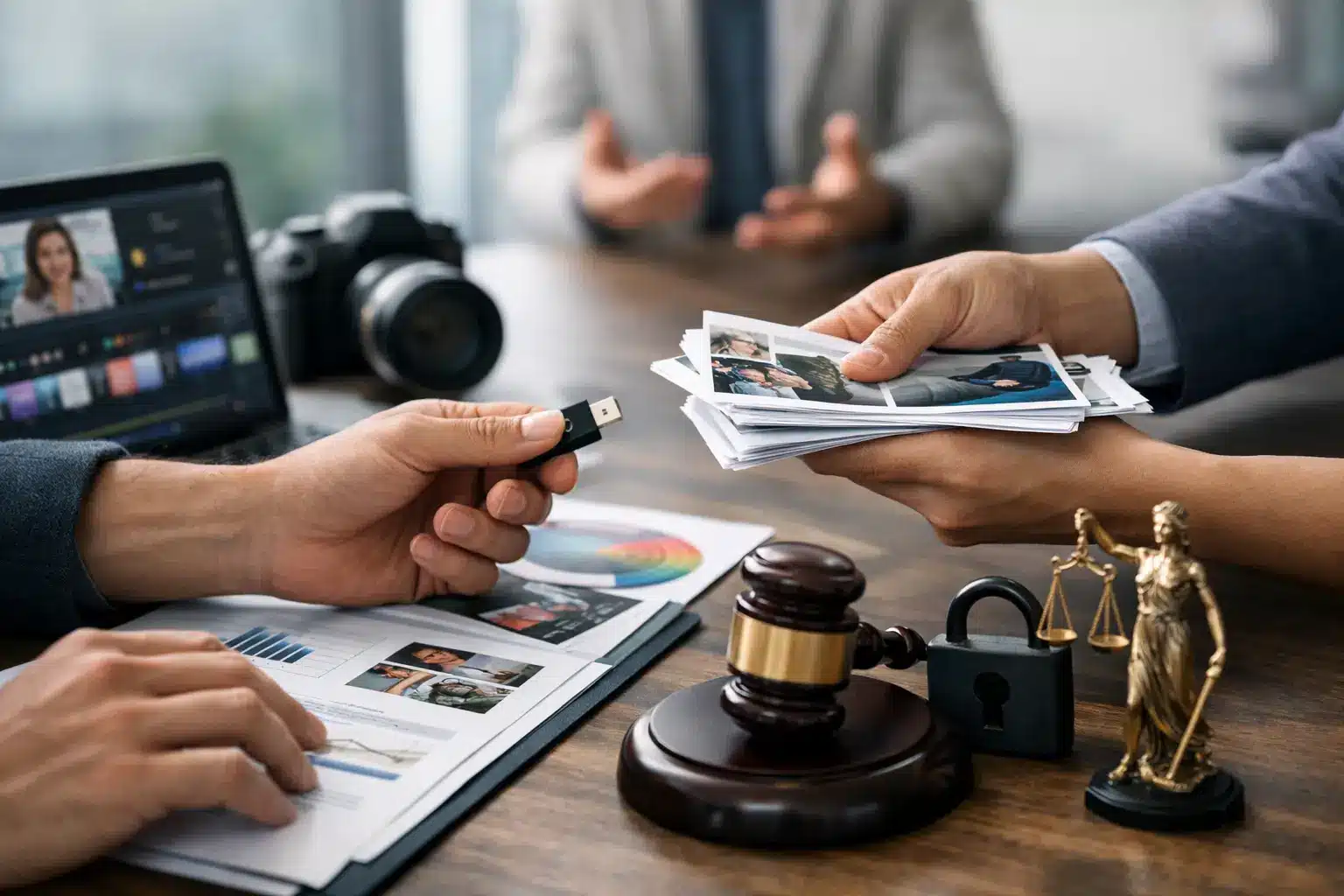
A campaign goes live, performs well and suddenly everyone wants more from the content. The brand wants to run it as paid advertising. The creator wants to include it in their portfolio. The agency needs approved assets for reporting. So, who owns campaign content? The answer is rarely as simple as “the party that paid for it”.
For UK influencer campaigns, ownership depends on who created the work, what the contract says, which rights were licensed and whether other material – including music, photography, logos or third-party footage – is included. Getting this wrong can turn a successful post into an avoidable commercial dispute.
Who owns campaign content under UK copyright law?
As a starting point, copyright generally belongs to the person who creates the original work. If an influencer films, edits and publishes a campaign video independently, they will usually own the copyright in that video. A brand paying a fee does not automatically transfer ownership.
That principle catches out teams that treat influencer content like a conventional advertising production. In a traditional shoot, a brand may commission photographers, videographers, production teams and talent under agreements that assign rights to the business. With creator campaigns, the creator often retains ownership and grants the brand permission to use the content in specified ways.
There are exceptions. Content created by an employee in the course of their employment will usually belong to the employer, subject to the employment contract. But most influencers are self-employed contractors, not employees of the brand or agency. Commissioning work alone does not create copyright ownership for the commissioner.
This is why a campaign brief, email approval or agreed fee is not enough. If a brand needs to use content beyond the creator’s original post, the agreement must say so clearly.
Ownership and usage rights are not the same thing
The most commercially useful distinction is between owning content and having the right to use it.
A creator can retain copyright while granting a brand a broad, valuable licence. For example, a brand may have the right to repost a Reel on its organic social channels for six months, use selected images in email marketing, and run the content through paid social advertising in the UK. The creator still owns the work, but the brand has the permission it needs to put the asset to work.
Equally, a brand may pay for a full assignment of copyright. This gives the brand ownership, subject to any third-party rights that cannot be assigned. Full ownership offers greater control, but it should not be assumed to be the default, nor should it be requested without considering whether it is genuinely necessary.
For many campaigns, a well-defined licence is the fairer and more cost-effective route. A creator’s content and image are part of their business. If a brand wants broad, long-term commercial rights, that value should be reflected in the rate.
What a campaign contract should cover
The contract should turn a vague request for “content rights” into specific commercial permissions. The more clearly it is written, the easier the campaign is to manage after publication.
At minimum, agree the content formats and deliverables, the channels where content can appear, the territory, the duration of use and whether the content can be used organically, in paid media or both. It should also state whether the brand can edit, crop, add captions, combine assets with other creative, use the creator’s handle, or pass assets to retail, PR or media partners.
Paid usage needs particular attention. A brand reposting a creator’s video on its own Instagram account is very different from running that video as an advert to a large targeted audience. Whitelisting, creator allowlisting and boosted posts can deliver strong results, but they extend the commercial value and audience reach of the creator’s work. These rights should be priced and agreed separately.
Exclusivity should also be dealt with independently. A creator may be happy for a skincare brand to use one video for three months, but not for that brand to prevent them from working with any competing beauty business for a year. Category, territory and timeframe all matter.
The rights that can complicate ownership
Not every element within a post belongs to the creator. A campaign asset can contain several layers of rights, and each needs to be cleared.
Music is a common issue. A sound available in a social platform’s music library may be suitable for an organic post but not for paid advertising or use outside that platform. A brand cannot assume that permission to use a track in a creator post covers website, TV, digital out-of-home or paid social use.
The same applies to images, stock footage, locations, artwork and other people appearing in content. If a creator includes a friend, family member, child or member of the public, the brand may need appropriate permissions before using that content as advertising. Where the campaign features products, packaging, claims or trademarks, brands must also ensure edits do not create misleading messaging or breach sector rules.
Moral rights deserve consideration too. Under UK law, creators can have rights connected to being identified as the author of their work and to objecting to certain derogatory treatment of it. These rights can sometimes be waived in writing, but a waiver should not become a blanket excuse for careless editing. Good commercial relationships are built on proper approvals and respectful use of creative work.
When should a brand request full ownership?
Full copyright assignment can make sense where the brand is funding a substantial production, needs unrestricted use across several markets, plans to adapt the material over a long period, or requires ownership for a product launch, retailer programme or regulated advertising campaign.
It is also more likely to be appropriate when the content is designed as brand creative rather than rooted in a creator’s personal format, identity and audience relationship. Even then, the agreement should address the creator’s likeness and any non-copyright rights separately.
For standard influencer activity, full ownership may be disproportionate. It can increase costs, narrow the creator pool and lead to unnecessary negotiation. A time-limited, channel-specific licence often gives the brand everything it needs while allowing the creator to retain control of their intellectual property.
The question is not simply whether the brand can buy ownership. It is whether ownership is the most efficient solution for the campaign objective.
Agencies need clarity too
An agency may plan the campaign, negotiate the deal, manage approvals and curate final assets, but it does not automatically own the content. Its rights depend on its agreement with the brand and the creator agreement it has negotiated or administered.
For brands, this means confirming who is authorised to grant usage rights and who holds the source files. For creators, it means understanding whether the agency is acting as a representative, campaign manager or contracting party. Those roles have different responsibilities.
A properly managed campaign keeps an accessible rights record for every asset. This should show the creator, deliverables, agreed usage, start and end dates, territory, paid media permissions, exclusivity terms and any special limitations. Without that record, content can easily remain live after its usage period expires or be reused in a channel that was never approved.
A practical approach to fair content rights
Brands should set intended usage before approaching creators, rather than trying to expand rights after content has been delivered. Creators should ask direct questions before quoting: Where will the content appear? Is paid media required? For how long? Can it be edited? Is the brand seeking exclusivity?
Both parties should avoid catch-all wording such as “in perpetuity, worldwide, all media” unless there is a clear business reason and fair payment attached. Those terms may be appropriate for a major production, but they are not a neutral administrative detail. They can materially affect the value of a creator’s work and future earning potential.
The strongest campaigns treat rights as part of strategy, not legal fine print. When brands are clear about how they intend to use content, creators can price fairly and agencies can build campaigns that continue to perform without putting relationships or reputations at risk.
Before the first brief is sent, decide what success should look like six months after posting. If the answer includes paid amplification, retailer use, a wider market rollout or long-term creative reuse, put those requirements on the table early. It is the simplest way to protect the campaign, the investment and the partnership behind it.
Follow us on Social Media


