
Before you can even think about earning your first pound on Instagram, you’ve got to build a profile that brands and buyers actually take seriously.
It’s about more than just pretty pictures. You need to lay the groundwork first—that means choosing a profitable niche, crafting a bio that means business, and growing an audience that genuinely cares about what you post. Get this foundation right, and the money will follow.
Building Your Foundation for Instagram Monetisation
Think of your Instagram profile as your digital storefront. If it looks messy, unprofessional, or just plain confusing, potential partners will walk right past. Without a solid, strategic foundation, any attempt to make money is likely to fall flat. Brands are looking for creators who are organised, credible, and have a clear reason for being there.
Your profile is your CV. Every single element, from your bio right down to your grid layout, tells a story about your value. A scattered, inconsistent profile screams "hobbyist," but a polished, focused account signals you’re a professional ready to do business.
Pinpoint a Profitable Niche
First things first, you need to define your niche. A niche audience is absolute gold dust because it attracts a highly targeted following that specific brands are desperate to reach. Of course, you should pick something you're passionate about, but you also have to be realistic about its commercial viability here in the UK.
Let’s be honest, some niches are just more profitable than others. A creator talking about personal finance or high-end tech is probably going to land more lucrative brand deals than someone in a super-saturated or less commercial space.
When you're weighing up your options, ask yourself these questions:
- Audience Spending Power: Does your target audience actually have the disposable income to buy the things you might promote?
- Brand Availability: Are there plenty of UK-based brands in this niche that you could realistically see yourself working with?
- Long-Term Interest: Can you genuinely see yourself creating content on this topic for years without getting completely bored of it?
Optimise Your Profile for Business
Once you’ve locked in your niche, it’s time to make your profile look the part. There are a few non-negotiable updates you need to make to unlock key monetisation tools and make a killer first impression.
Your Instagram bio is your digital elevator pitch. It needs to tell people who you are, what you do, and who you do it for—all in a couple of seconds. And crucially, it must have a call-to-action that points followers to a link where they can shop, learn more, or connect with you off the platform.
Switching to a Creator or Business account is a must. It's free, and it unlocks vital analytics, contact buttons, and makes you eligible for Instagram’s own monetisation features. It’s a simple switch that shows you’re taking this seriously.
Finally, get your feed in order. A visually cohesive grid is essential. Use consistent editing presets, plan your layout, and make sure your photos and videos are high-quality. This isn't just about aesthetics; it's about building a strong brand identity that makes your profile instantly recognisable and attractive to potential partners.
Creating Content That Attracts Brands and Buyers
Let's be blunt: your Instagram content is your most valuable asset. It’s your portfolio, your sales pitch, and your direct line to your audience, all rolled into one. If you want to actually make money on Instagram, you need to shift your mindset from simply posting what you like, to strategically creating content that paying brands and eager buyers want to see.
Every photo, Reel, and caption needs a purpose. The goal is to get into a consistent rhythm that signals professionalism and reliability. When a brand manager lands on your profile, they should immediately see a creator who gets their audience, produces quality work, and knows how to drive a conversation. That’s how you turn a creative passion into real revenue.
This is all built on the foundation of a loyal, engaged audience.
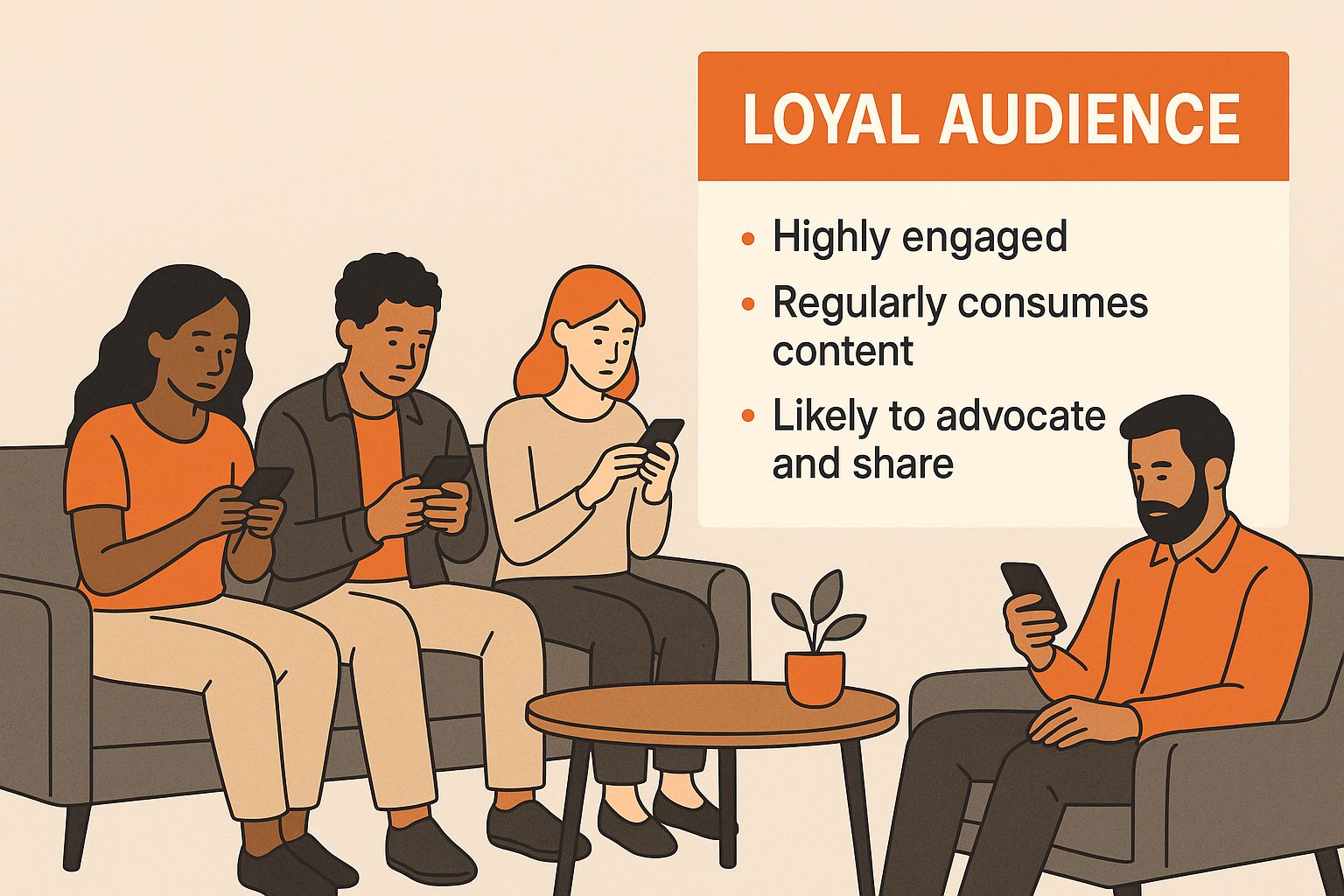
As you can see, a smaller, highly dedicated following is almost always more valuable to a brand than a massive, disengaged one. Quality over quantity, every time.
To help you get a clearer picture of what works in the UK, here’s a quick overview of the most common monetisation routes and what you typically need to get started.
Instagram Monetisation Methods At a Glance
| Monetisation Method | Typical Follower Count Required | Earning Potential (Low to High) |
|---|---|---|
| Brand Partnerships | 1,000+ (Nano-influencers) | Medium to High |
| Affiliate Marketing | 500+ | Low to Medium |
| Selling Your Own Products | 1,000+ | High |
| Instagram Subscriptions | 10,000+ | Low to Medium |
| Instagram Badges | 10,000+ | Low |
| Instagram Bonuses | Varies (Invite-only) | Low to Medium |
These are, of course, just guidelines. A creator with 5,000 hyper-engaged followers in a niche market can often out-earn one with 50,000 disinterested ones. It all comes back to the quality of your content and community.
Choosing Formats That Deliver Results
Not all content formats are created equal. While a beautiful, static image still has its place, the data shows that dynamic content is winning the game right now. Mixing up your formats is crucial for both reach and engagement.
For instance, Instagram Reels can reach 122% more users than a standard image post, and carousels tend to see a 114% boost in engagement. Knowing this helps you put your creative energy where it will count the most.
To put this into practice:
- Use Reels for Reach: Think of short-form video as your magnet for new followers. It's the best way to show off your personality and get your content in front of people who don't follow you yet.
- Use Carousels for Connection: These multi-slide posts are perfect for telling a story, sharing a mini-tutorial, or breaking down a list of tips. They keep people on your post for longer, which is a massive green flag for the Instagram algorithm.
Think of your content as a conversation starter. Your caption is the opening line. Ditch the generic, one-word captions. Instead, ask questions, share a personal story, or include a clear call-to-action that actually encourages comments and shares.
Producing High-Quality Visuals
In a space as visually crowded as Instagram, quality is non-negotiable. Grainy photos and poorly lit videos just won't cut it—they won't stop the scroll, and they certainly won't impress potential brand partners.
You don't need a professional studio. But investing in some decent lighting and learning the basics of a good editing app can make a world of difference.
A clear, crisp visual aesthetic shows you take your work seriously. For small businesses looking for creators, this level of professionalism is a major deciding factor. You can find out more about attracting these kinds of partnerships in our guide to influencer marketing for small business.
Remember these simple rules for better visuals:
- Prioritise good lighting. Natural light is your best friend. Seriously. Shooting near a window during the day will give you clean, flattering results without costing a penny.
- Maintain a consistent style. Whether you use a specific preset or a certain editing formula, keeping your posts visually cohesive helps build a recognisable brand identity.
- Focus on composition. Learning basic photography principles, like the rule of thirds, can instantly make your images look more professional and appealing.
How to Secure and Manage Brand Partnerships
For many creators, brand collaborations are the bread and butter of making a living on Instagram. But making that leap from getting free products to securing paid partnerships takes a bit of savvy. It’s not just about your follower count; it’s about proving you can actually deliver results for a brand.
The UK market is especially hot for this right now. In 2025, a whopping 57.1% of UK marketers are expected to favour Instagram for their influencer campaigns. And with brands reporting a return of around £4.12 for every £1 spent, it’s easy to see why they’re so keen. It's a massive opportunity if you get your strategy right. You can dig into more of these UK Instagram statistics on netzoll.com.
Finding and Vetting Potential Brand Partners
First things first, you need to find brands that actually make sense for your audience. A partnership only feels right—and performs well—when the brand’s products and values genuinely connect with your content. A bad fit can damage the trust you’ve worked so hard to build.
A great starting point is to jot down a "dream list" of brands you already use and love. That way, any collaboration that comes from it will be completely genuine. It's also smart to keep an eye on which brands are already working with creators in your space.
Since you're essentially building business relationships, looking into some solid B2B lead generation tools can be a game-changer for finding and getting in touch with the right marketing folks.
Creating a Professional Media Kit and Pitch
Once you’ve got your target list, you need to look the part. This is where a media kit comes in – think of it as your creator CV. It’s a simple document (usually a PDF) that spells out who you are, what your account is all about, and why a brand should be excited to work with you.
Your media kit absolutely needs to include:
- A quick intro: A short bio that lets your personality and niche shine through.
- Audience demographics: Key details like age, gender, and location (especially if you have a strong UK following). You can pull all of this straight from your Instagram Insights.
- Key stats: Your follower count, average reach, engagement rate, and typical Story views.
- Past work: A few examples of successful brand collaborations you've done before.
- Your rates: A clear outline of the services you offer and what you charge.
With your media kit polished and ready, it’s time to reach out. Sending a cold email to a marketing manager can feel intimidating, but a personal, punchy message will cut through the noise. Ditch the generic templates. Tell them why you love their brand and pitch a specific, creative idea for a collaboration. Show them you've put some thought into it.
For a much deeper dive into this process, check out our guide on how to get a brand deal, which is packed with more detailed strategies.
Negotiating and Complying with Regulations
When a brand gets back to you, the real conversation starts. This is your chance to nail down the specifics: deliverables (like one Reel and three Stories), usage rights (how long they can use your content), and payment terms. Don't be shy about stating your rates with confidence. You're offering a valuable service—direct access to a loyal and engaged audience.
And this is crucial: any paid partnership in the UK must follow the Advertising Standards Authority (ASA) guidelines. This means you have to clearly label sponsored content with #ad or #sponsored right at the beginning of your caption or as a sticker on your Story. Being transparent isn’t just about ticking a legal box; it's fundamental to keeping the trust of your followers.
Diversifying Your Income Beyond Brand Deals
Relying just on brand partnerships is a risky game. When a campaign wraps up or a brand's budget gets shuffled around, your income can vanish almost overnight. To build a career as a creator that actually lasts, you need to set up multiple streams of revenue that you own and control. This isn't just about financial stability; it deepens the connection you have with your audience.
The big shift here is moving from being a promoter for other people's businesses to becoming a business yourself. It’s about creating assets that bring in money on their own, separate from one-off brand deals. You're building a foundation that doesn't depend on someone else's marketing spend, which gives you far more creative freedom and long-term security.

Mastering Affiliate Marketing
Affiliate marketing is a brilliant first step towards diversifying your income. Instead of a flat fee for a post, you earn a commission every time someone buys a product using your unique link. This model is a true test of your influence and can build up into a really consistent, passive income stream over time.
The best place to start is with brands you already use and genuinely recommend. Authenticity is everything. Your followers can spot a forced promotion a mile off. Plenty of UK brands run their own affiliate programmes, or you can find them on networks like Awin.
Here's how to weave affiliate links into your content naturally:
- Link in Bio: Use a simple tool like Linktree to create a hub for all your affiliate links. Think of it as a curated page of all your favourite things.
- Instagram Stories: The "link sticker" is your best mate here. Share a quick video or a photo of you using a product, and pop a direct link on it to make it dead simple for people to shop.
- Product Tags: If you've got Instagram Shopping enabled, you can tag affiliate products right in your feed posts and Reels. It creates a completely seamless path from discovery to checkout.
Creating and Selling Your Own Products
Honestly, the ultimate way to make money on Instagram is by selling something that's 100% yours. This puts you in the driver's seat for everything, from the product itself to the price tag. Whether you go for digital or physical items, creating your own products can turn your followers from a passive audience into genuine, loyal customers.
The potential is massive. By 2025, Instagram is expected to have around 33.4 million users in the UK. And with 81% of UK retailers already on the platform, it’s a proven marketplace for selling directly to consumers. You can dive deeper into these UK social media statistics on avocadosocial.com.
Digital Products
These are fantastic because there are virtually no overheads and you can sell them an infinite number of times. Some popular ideas include:
- eBooks or Guides: Package up your expertise into a downloadable PDF.
- Photo Presets: If you've got a signature visual style, sell your editing presets.
- Templates or Planners: Offer downloadable resources that help your audience get organised or achieve a goal.
Physical Products
While they definitely involve more logistics, physical merchandise can build a powerful brand identity. Think about branded clothing, accessories, or even art prints that tie into your niche. You can even use print-on-demand services to get started without having to buy and hold a load of stock.
By mixing and matching these different monetisation strategies, you create a proper safety net. This diverse approach doesn’t just stabilise your income; it boosts your credibility, showing both brands and followers that you're a multifaceted creator running a real business.
This kind of strategic thinking is one of the core influencer marketing benefits for everyone involved. It helps foster a more professional and resilient creator economy, which is good news for creators and the brands they partner with.
Want to Grow Faster? Start Using Instagram Ads
Relying purely on organic reach to make money on Instagram often feels like a slow, painful crawl. Let's be honest, it can be a real grind. But paid advertising, when you use it smartly, can be a total game-changer, fast-tracking your growth and connecting you with the right kind of followers.
Think of Instagram Ads as less of a sales tool and more of a strategic way to build a targeted community. Instead of just hoping the algorithm blesses you, you're actively putting your best stuff right in front of the people you want to reach. This is how you speed up the journey to brand deals and sales.
This approach works especially well here in the UK. In fact, Instagram is the highest-converting social ad platform around, beating out both Facebook and TikTok. By putting some budget into paid campaigns, you’re basically betting on a sure thing. If you want to dive into the numbers, check out these UK-specific Instagram ad statistics on sqmagazine.co.uk.
Getting Your First Campaign Off the Ground
Jumping into Meta Ads Manager for the first time can feel a bit much, I get it. But it really just boils down to a few clear stages. First up, you need a crystal-clear objective. What are you actually trying to achieve? Is it more profile visits? Website clicks on an affiliate link? Or are you pushing sales for a digital product? That single goal shapes your entire campaign.
Next, you get to the fun part: audience targeting. This is where the magic happens. You can get super specific and target users based on things like:
- Location: Zero in your budget on specific UK cities or regions that matter to you.
- Interests: Find people who follow creators like you or have shown interest in your niche.
- Demographics: Filter by age and gender to match your perfect follower profile.
A word of advice: don't just hit the 'Boost Post' button on your phone. It's tempting, I know. But using the full-fat Ads Manager on a desktop gives you so much more control over targeting and placements. It’s the best way to make sure every penny of your budget is working as hard as possible.
Choosing an Ad Format That Actually Works
The format of your ad can make or break its performance. A simple static image has its place, but let's be real, dynamic video content is what stops the scroll and gets results these days.
For example, Instagram Reels ads can pull in 27% higher engagement than your standard feed ads. That makes them a seriously powerful tool for grabbing attention and showing off your personality or products in a way that feels natural. Stories ads are another great one, perfect for creating a bit of FOMO with urgent calls-to-action or limited-time offers.
My advice? Start small. Put a practical budget behind a few different ideas and see what sticks. Analyse which creative and which audience gives you the best return. This isn't about guesswork; it's a data-driven approach that helps you refine your strategy over time, making sure every pound you spend is helping you grow.
Got Questions About Making Money on Instagram? We’ve Got Answers
Stepping into the world of monetising your Instagram can feel like navigating a maze. As soon as you start treating your profile like a proper business, a whole new raft of questions seems to appear out of nowhere.
Here, we're cutting through the noise and tackling the most common queries we hear from UK creators. Getting these details right isn’t just about ticking boxes; it’s about building a professional, sustainable career.
How Many Followers Do I Need to Start Earning on Instagram in the UK?
Honestly, there’s no magic number. It's a common misconception that you need a gigantic following to start making money.
In the UK, we're seeing more and more brands deliberately partnering with micro-influencers (1,000-10,000 followers). Why? Because these creators often have incredibly high engagement rates and a super-dedicated niche audience. The quality of your community trumps the quantity of your followers, every single time.
If you're looking at things like affiliate marketing or selling your own digital products, you can realistically start earning with fewer than 1,000 loyal followers. The real game is building a community that trusts you, not just chasing an arbitrary follower count. A smaller, highly engaged audience is far more valuable to a brand than a massive, passive one.
Do I Really Need to Register as a Business in the UK?
Yes, this one is non-negotiable. If you're earning a regular income from your Instagram activities, you absolutely must register as self-employed with HMRC.
This means you are legally on the hook to declare all your earnings through a Self Assessment tax return each year.
It's vital to keep meticulous records of all your income and any legitimate business-related expenses. We always recommend consulting with a UK-based accountant to make sure you're fully compliant with tax laws and taking advantage of any allowable deductions.
What Are the ASA Rules for Sponsored Posts?
The Advertising Standards Authority (ASA) has very clear rules to ensure everyone is transparent. They mandate that any content you’re paid for—whether with actual money or free products—must be obviously identifiable as an advert to your audience.
This means using clear and unambiguous labels right at the start of your post or story. Just thanking a brand in your caption won't cut it and could land you in hot water.
The most common and accepted identifiers are:
- #ad
- #sponsored
- #gifted
This isn't just a suggestion; it's a legal requirement in the UK. Plus, being upfront is absolutely essential for maintaining your audience's trust, which is by far your most valuable asset. For those with more specific queries, our article answering common influencer marketing questions provides further detailed insights.
At Colossal Influence, we've spent over a decade helping creators navigate these questions and secure meaningful brand partnerships. If you're ready to turn your influence into a career, explore how our expert team can support your growth at https://www.colossalinfluence.com.
Follow us on Social Media


